
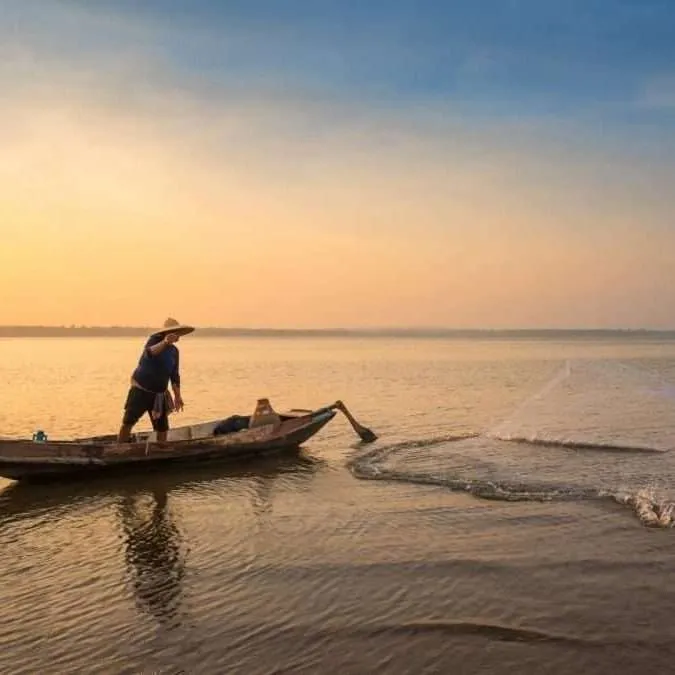
A bit of deep dive into fishing in Indonesia – if you can spare a minute
What is fishing sustainably in Indonesia? There is no clear answer, let’s start by looking at some facts. The wild capture fisheries and aquaculture sectors employ approximately 2.7 million and 3.3 million workers, respectively. Additionally, over 1 million workers, of whom a majority are women, are involved in the processing and marketing of fisheries products. The fisheries sector also contributes to the livelihoods of 60 million people in coastal communities who engage in fishing as a form of subsistence and as a secondary source of income. Ok, let’s start by acknowledging that a lot of people depend on fish for a livelihood.
Not only that, the fisheries sector is also an important contributor to national food security. A recent study ranked Indonesia as the eighth-most fish-dependent nation in the world. Indonesia is in a high-risk category with both high reliance on fish and high vulnerability to micronutrient malnutrition linked to numerous poor health outcomes. At least 48% of fishers and 30% of fish farmers are living in poverty and the remaining fishers and fish farmers are vulnerable with few options for improved and sustainable livelihoods.
The fishing sector relies heavily on informal labour, with some of the lowest wages, human rights, and child abuse in Indonesia. Most fisherfolks are in the informal sector, working their own small vessels, or as crew on other small vessels where 90% are paid through various ‘share of catch’ arrangements. They have little incentive and few resources to engage in more sustainable fishing practices.
Is there anything being done? Yes, lots with various levels of success. There are numerous grassroots associations of fishers, as well as women fishers, such as the Sisterhood of Indonesian Fisherwomen, that have acted collectively to gain recognition for their rights and protect their fishing grounds. There have been numerous Marine Spatial Planning Projects that have supported participatory planning between governments and local communities to improve fish stocks and more sustainable economic returns.
Is it worth supporting these initiatives, given patchy success, as highlighted in recent documentaries? We think so, in fact we think there is no alternative. Consumer demand for more sustainable fish has made a difference and there are companies that are working directly with local fisher folk and coastal communities to preserve fish stocks and marine life. There are companies that work exclusively with artisanal hand-line fishers, and that have established traceability systems that support and reward sustainable fishing and help them find markets. It’s a slow process, but a good one.